
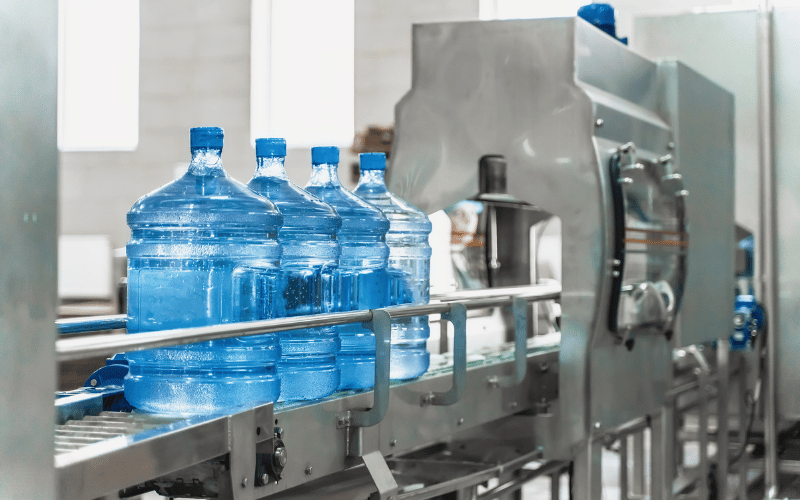
Water serves as the backbone of every bottled beverage, making up over 90% of the product. Its quality directly influences taste, safety, and consumer trust. In my experience, even the smallest inconsistency in water quality can tarnish a brand’s reputation.
Taste and safety go hand in hand. Proper water treatment removes impurities while preserving essential minerals that enhance flavor. At the same time, it ensures the product meets strict safety standards, protecting both consumers and the brand.
Sustainability is no longer optional. Modern water treatment systems reduce waste and energy use, aligning with consumer demand for eco-friendly products. These solutions not only benefit the environment but also improve operational efficiency.
Water treatment isn’t just a technical step—it’s the foundation of quality, trust, and sustainability in the bottled water industry.
The Core Processes of Water Treatment Simplified
Water treatment may seem complex, but breaking it down into its core processes makes it easier to understand and implement. Each step plays a vital role in ensuring the quality, safety, and taste of bottled water. Let me walk you through these processes, one by one, with practical insights to help you optimize your operations.
Pre-Filtration: The First Line of Defense
Think of pre-filtration as the gatekeeper of your water treatment system. It removes large particles like sand, sediment, and debris that could damage your equipment or clog downstream filters. Without this step, your machinery would face unnecessary wear and tear, leading to higher maintenance costs.
To get this right, choose a pre-filter with the appropriate micron rating for your water source. For example, a 5-micron filter works well for most applications, but heavily contaminated water may require a coarser filter as a first stage. Regularly inspect and replace pre-filters to keep your system running smoothly.
Activated Carbon Filtration: The Taste Enhancer
Activated carbon filtration is where the magic of taste happens. This step removes chlorine, organic compounds, and other impurities that can affect the flavor and odor of water. If your bottled water needs to stand out in a competitive market, this process is non-negotiable.
When selecting an activated carbon filter, consider the flow rate and contact time. A longer contact time allows the carbon to absorb more impurities, resulting in better-tasting water. Don’t forget to monitor the filter’s lifespan—overused carbon can release trapped contaminants back into the water.
Reverse Osmosis (RO): The Purity Expert
Reverse osmosis is the workhorse of water treatment, achieving high purity by removing dissolved salts, minerals, and other microscopic impurities. If you’re aiming for ultra-pure water, RO is your go-to process.
To maximize RO efficiency, ensure your feed water pressure meets the system’s requirements. Low pressure can reduce performance, while high pressure can damage membranes. Regularly clean and replace RO membranes to maintain their effectiveness. And don’t overlook the brine—proper disposal is essential for compliance with environmental regulations.
UV Sterilization: The Chemical-Free Protector
UV sterilization acts as a silent guardian, ensuring microbiological safety without the use of chemicals. It neutralizes bacteria, viruses, and other pathogens by disrupting their DNA, making them harmless.
For effective UV treatment, ensure the water is clear and free of particles that could block the UV light. Regularly clean the quartz sleeve and replace the UV lamp as recommended by the manufacturer. A dim or old lamp won’t provide the level of protection your product needs.
Ozone Disinfection: The Sterility Keeper
Ozone disinfection is the final touch for maintaining sterility while preserving the natural taste of water. Ozone, a powerful oxidizer, eliminates any remaining microorganisms and ensures the water stays safe during storage and bottling.
To use ozone effectively, monitor its concentration levels closely. Too little ozone won’t disinfect properly, while too much can leave an unpleasant taste. Invest in a reliable ozone generator and ensure proper ventilation in your facility to handle excess ozone safely.
Optional Remineralization: The Flavor Balancer
If your target market prefers water with a balanced mineral profile, remineralization is worth considering. This step adds minerals like calcium and magnesium, enhancing both flavor and health benefits.
Choose remineralization cartridges or systems that allow precise control over mineral levels. Over-mineralization can lead to scaling in your equipment, so find the right balance for your product. Test the water regularly to ensure consistency in taste and quality.
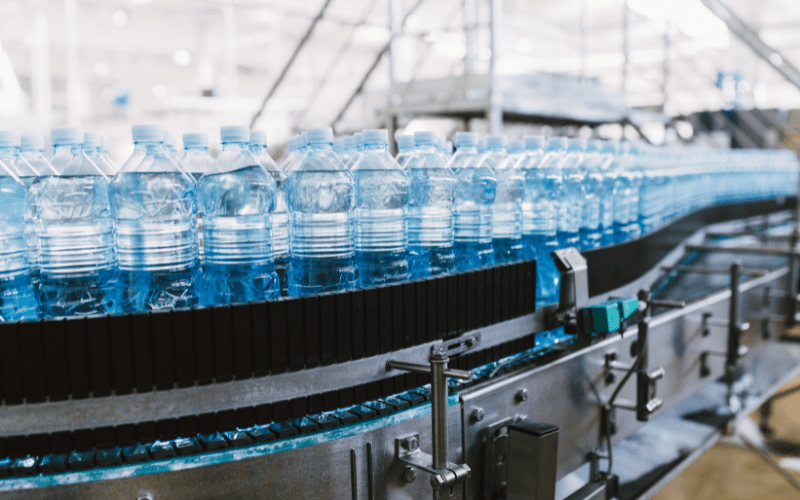
By understanding and optimizing these core water treatment processes, you can ensure your bottled water meets the highest standards of quality, safety, and taste. Each step is a building block, and when executed correctly, they work together to create a product that stands out in the market. Let your water treatment system be the unsung hero of your bottling operation!
Overcoming Challenges in Water Treatment
Water treatment is not without its challenges, but each obstacle presents an opportunity to refine processes and improve outcomes. Let’s address some of the most common hurdles and explore practical solutions to keep your operations efficient, compliant, and reliable.
Managing Variations in Source Water Quality with Real-Time Monitoring
Source water quality can change unexpectedly due to seasonal shifts, weather events, or upstream activities. These fluctuations can disrupt your treatment processes if not addressed promptly.
Real-time monitoring systems act as your eyes and ears, constantly analyzing water quality parameters like turbidity, pH, and conductivity. By integrating these systems into your operation, you can detect changes immediately and adjust treatment settings accordingly. For example, if turbidity spikes, you can increase pre-filtration capacity to prevent clogging downstream. Choose monitoring equipment with automated alerts to ensure you never miss a critical change.
Balancing Mineral Content for Different Bottled Water Types
Not all bottled water is created equal. Some consumers prefer pure, mineral-free water, while others seek the health benefits of mineral-rich options. Striking the right balance requires precision and adaptability.
To manage this, use remineralization systems that allow fine-tuned control over mineral levels. For mineral-rich water, focus on adding calcium and magnesium in specific ratios to enhance both taste and health benefits. For purer options, ensure your reverse osmosis system removes dissolved solids effectively. Always test the final product to confirm it meets the desired profile, and adjust your processes as needed to maintain consistency.
Reducing Energy Consumption in Processes Like Reverse Osmosis
Reverse osmosis is a cornerstone of water treatment, but it can be energy-intensive. High energy costs not only impact your bottom line but also your sustainability goals.
To reduce energy consumption, start by optimizing feed water pressure. Too much pressure wastes energy, while too little reduces efficiency. Invest in energy recovery devices that capture and reuse energy from the brine stream. Additionally, consider high-efficiency membranes that require less pressure to achieve the same level of purification. Regular maintenance, such as cleaning and replacing membranes, also ensures the system operates at peak efficiency.
Ensuring Compliance with Evolving Regulatory Standards
Regulatory standards for bottled water, such as those set by the FDA, WHO, and local authorities, are constantly evolving. Staying compliant requires vigilance and proactive planning.
Begin by thoroughly understanding the regulations that apply to your market. For example, the FDA focuses on microbiological safety, while WHO guidelines emphasize water quality parameters like pH and mineral content. Implement robust quality control systems to monitor compliance at every stage of production. Regularly audit your processes and update them to meet new requirements. Partnering with a regulatory consultant or using compliance software can help you stay ahead of changes and avoid costly penalties.
By addressing these challenges head-on, you can build a water treatment system that is not only efficient but also adaptable to changing conditions. Each solution strengthens your operation, ensuring your bottled water meets the highest standards of quality, safety, and sustainability. Let your expertise and systems work together to overcome these hurdles with confidence.
Sustainability: A Competitive Edge in Water Treatment
Sustainability in water treatment offers more than environmental benefits—it creates a strategic advantage. By adopting energy-efficient technologies, businesses can lower operational costs and reduce their carbon footprint. High-efficiency pumps, variable frequency drives, and energy recovery devices are excellent tools to achieve this.
Minimizing water waste is equally important. Advanced filtration systems, such as ultrafiltration membranes and closed-loop setups, allow companies to recover and reuse water effectively. These systems not only conserve resources but also improve overall efficiency.
Consumers today demand eco-friendly products, and bottled water is no exception. Highlighting sustainable practices, like reduced energy use or water waste, can strengthen brand reputation and attract loyal customers.
Real-world examples show the impact of sustainability. One company reduced water waste by 30% with a closed-loop system, while another cut energy costs in half by switching to solar-powered equipment. These practices prove that sustainability drives both environmental and business success.
Advanced Solutions for Modern Bottling Operations
Modern bottling operations demand efficiency, precision, and adaptability. Advanced solutions now integrate water treatment and bottling processes, streamlining production and reducing risks. For example, systems that connect reverse osmosis directly to filling lines save space and minimize contamination.
Customizable configurations make it easy to adapt to specific needs. Whether you’re adding remineralization for premium products or scaling up with high-speed filling lines, tailored setups ensure efficiency without compromising quality.
Real-time monitoring plays a critical role in maintaining consistency. Sensors track water purity, flow rates, and filling accuracy, while predictive maintenance prevents downtime by identifying issues early.
Automation and IoT take operations to the next level. Machines communicate and optimize workflows, adjusting settings automatically based on real-time data. These innovations create more intelligent, more reliable systems that meet the demands of today’s competitive market.
Success Stories: Water Treatment in Action
Water treatment is not just a technical process—it’s the backbone of successful beverage production. From bottled water to flavored drinks and carbonated beverages, effective water treatment ensures quality, consistency, and sustainability. Let’s dive into real-world examples that highlight its transformative impact.
1. Bottled Water, Flavored Drinks, and Carbonated Beverages
In bottled water production, water treatment systems ensure purity and taste. For instance, a premium water brand used advanced reverse osmosis and remineralization to create a balanced mineral profile that resonated with health-conscious consumers. This precise control over water quality became their unique selling point, setting them apart in a crowded market.
Flavored drinks rely heavily on water treatment to maintain consistency. A beverage company producing fruit-infused drinks implemented activated carbon filtration to remove chlorine and organic compounds. This step preserved the natural flavors of their ingredients, ensuring a fresh and appealing taste in every bottle.
Carbonated beverages present their own challenges, as water quality directly affects carbonation levels and taste. One soda manufacturer adopted UV sterilization and ozone disinfection to maintain microbiological safety without altering the water’s natural properties. This approach ensured a crisp, clean base for their fizzy drinks.
2. Efficiency Meets Sustainability
A mid-sized bottling plant faced high energy costs due to inefficient reverse osmosis systems. By upgrading to energy recovery devices and high-efficiency membranes, they reduced energy consumption by 25%. This not only lowered operational costs but also aligned with their sustainability goals, earning them recognition as an eco-friendly brand.
Another company struggled with water waste during production. By integrating a closed-loop filtration system, they recovered 30% of their reject water for non-potable uses like cleaning and cooling. This innovation significantly reduced their water footprint and improved overall efficiency.
What Sets Them Apart
Industry leaders teach us that attention to detail in water treatment pays off. Consistent monitoring and proactive maintenance are non-negotiable. For example, a global beverage giant implemented IoT-enabled sensors to track water quality in real time. This allowed them to detect and resolve issues before they impacted production, ensuring uninterrupted operations.
Another key takeaway is the importance of customization. Successful companies tailor their water treatment systems to their specific needs, whether it’s achieving a unique mineral profile or optimizing for high-speed production. This flexibility ensures they stay competitive in a dynamic market.
These real-world examples demonstrate how water treatment drives success in the beverage industry. By focusing on efficiency, quality, and sustainability, companies can create products that stand out while meeting consumer expectations. Let these stories inspire you to refine your own processes and achieve excellence in your operations.
Future Trends in Water Treatment for Bottling
The future of water treatment in bottling is driven by technology and sustainability. AI-powered water quality monitoring is transforming operations. These systems analyze data in real time, ensuring consistent quality and predicting potential issues before they occur.
Energy-efficient systems are also gaining momentum. Advanced reverse osmosis membranes and energy recovery devices help reduce costs while minimizing environmental impact. These innovations make operations both sustainable and cost-effective.
Data analytics is becoming essential. It provides insights to optimize processes, reduce waste, and improve equipment performance. Facilities can use this data to make smarter decisions and enhance efficiency.
Looking ahead, IoT-enabled systems and zero-waste technologies will become standard. Stricter regulations will also push companies to adopt cleaner and more efficient solutions. By embracing these trends, bottling operations can stay competitive and sustainable in the years to come.
Conclusion: Investing in Water Treatment for Long-Term Success
Water treatment plays a critical role in ensuring the success of bottling operations. It guarantees product quality, enhances efficiency, and supports sustainability efforts. By prioritizing advanced solutions, businesses can reduce costs, minimize waste, and meet the growing demand for eco-friendly practices.
Sustainability, efficiency, and innovation drive the future of water treatment. Companies that adopt energy-efficient systems, leverage real-time monitoring, and embrace data-driven insights position themselves as leaders in a competitive market.
Now is the time to act. Invest in advanced water treatment technologies to optimize your operations, meet consumer expectations, and secure long-term success in the bottling industry.


