
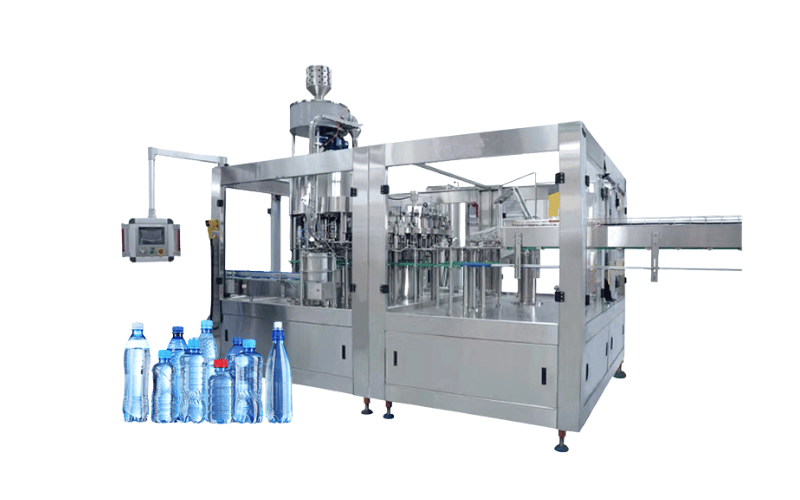
Imagine a bottling line that operates at peak efficiency, filling thousands of bottles per hour without a single drop wasted. This level of precision and productivity is what every manufacturer dreams of—and it all starts with choosing the right water bottle filling machine. In today’s fast-paced manufacturing world, these machines play a critical role in ensuring consistent product quality, reducing waste, and meeting production demands.
Selecting the best filling machine isn’t just about capacity or speed; it’s about aligning the machine’s capabilities with your operational needs. From understanding the different types of filling technologies to evaluating long-term return on investment (ROI), this guide will walk you through the essential factors to consider. Whether you’re a small business scaling up or a large manufacturer optimizing your processes, the right choice can transform your production line and boost profitability.
Let’s dive into the key considerations that will help you make an informed decision and set your business up for success.
1. Understanding Your Operational Needs
Choosing the right water bottle filling machine begins with a deep understanding of your operational requirements. Think of your production line as a living, breathing entity—it thrives when every component works in harmony. To achieve this, you need to evaluate several critical factors that directly impact your machine’s performance and your business’s bottom line. Let’s break these down into actionable insights.
Production Capacity
Start by defining your required output speed, measured in bottles per hour (BPH). This is the heartbeat of your production line, dictating how quickly you can meet demand.
- Low Output (<2,000 BPH): Ideal for small-scale operations or niche products. These machines are often compact and cost-effective but may lack the scalability needed for future growth.
- Medium Output (2,000–8,000 BPH): A sweet spot for many mid-sized manufacturers. These machines strike a balance between speed and flexibility, making them ideal for businesses seeking to expand.
- High Output (>8,000 BPH): Designed for large-scale operations, these machines are built for speed and efficiency. However, they require significant investment and robust infrastructure to support their operation.
Understanding your production capacity needs ensures you don’t over-invest in a machine that outpaces your current demand or under-invest in one that can’t keep up.
Bottle Characteristics
Your bottles are more than just containers—they’re the face of your product. The materials, sizes, and shapes of your bottles will influence the type of filling machine you need.
- Materials: Are you working with PET, glass, HDPE, or aluminum? Each material has unique handling requirements. For instance, glass bottles demand gentle handling to avoid breakage, while PET bottles require machines that can handle lightweight, flexible materials.
- Sizes and Shapes: From single-serve bottles to gallon containers, your machine must accommodate a range of container sizes and shapes. Consider the changeover time required to switch between different bottle sizes and shapes. A machine with quick-change capabilities can save you hours of downtime.
By aligning your machine’s capabilities with your bottle characteristics, you ensure seamless operation and consistent product quality.
Water Type
The type of water you’re bottling is another critical factor. Each type comes with its own set of challenges and requirements.
- Still Water: Straightforward to fill but requires precision to avoid overfilling or spillage.
- Carbonated Water: Demands specialized filling systems to handle pressure and prevent foaming.
- Flavored or Enhanced Waters: May require additional features, such as multi-head filling systems, to handle additives or flavoring agents.
Matching your machine to your water type ensures optimal performance and minimizes waste.
Budget Considerations
Finally, let’s talk numbers. Your budget isn’t just about the initial purchase price—it’s about the total cost of ownership over the machine’s lifespan.
- Initial Capital Expenditure (CAPEX): This includes the upfront cost of the machine, installation, and any necessary infrastructure upgrades.
- Long-Term Operational Costs (OPEX): Don’t overlook ongoing expenses like maintenance, utilities, and spare parts. A machine with a higher initial cost but lower operational expenses may offer better value in the long run.
By carefully evaluating your budget, you can strike the right balance between cost and performance, ensuring a machine that meets your needs without exceeding your budget.
With these foundational considerations in mind, you’re well on your way to selecting a water bottle filling machine that aligns perfectly with your operational needs. Next, we’ll explore the different types of filling machines and how to choose the one that’s right for you.
2. Exploring Filling Technologies
Selecting the right filling technology is like choosing the perfect tool for a specific job—it ensures efficiency, precision, and reliability. Each filling method has its own strengths, tailored to different types of liquids and production needs. Let’s dive into the key technologies and how they can serve your bottling line.
Gravity Filling
Gravity filling is the workhorse of still water bottling. Its simplicity and reliability make it a favorite for manufacturers focused on non-carbonated beverages.
- How It Works: This method relies on gravity to allow liquid to flow into bottles. The process is straightforward, with minimal moving parts.
- Why It’s Ideal: Gravity filling is best suited for still water because it doesn’t require pressurization. It’s cost-effective, easy to maintain, and delivers consistent results.
If your production line prioritizes simplicity and low maintenance, gravity filling is a dependable choice that won’t let you down.
Pressure Filling (Isobaric)
When it comes to carbonated beverages, pressure filling steps up to the plate. This technology is designed to handle the unique challenges of retaining carbonation and preventing foaming.
- How It Works: The system pressurizes both the liquid and the bottle, ensuring a smooth transfer without losing CO2.
- Why It’s Necessary: Carbonated water and other fizzy drinks demand precision to maintain their effervescence. Pressure filling ensures that every bottle is filled to the exact level without compromising quality.
For manufacturers venturing into carbonated beverages, pressure filling is non-negotiable—it’s the only way to preserve the sparkle your customers expect.
Volumetric Filling
Precision is the hallmark of volumetric filling, making it the go-to choice for flavored or viscous liquids.
- How It Works: This method measures the exact volume of liquid before filling, ensuring consistent quantities in every bottle.
- Why It’s Effective: Flavored waters and liquids with additives require accuracy to maintain taste and quality. Volumetric filling eliminates guesswork, delivering precise results every time.
If your product line includes enhanced or flavored waters, volumetric filling ensures that every bottle meets your exacting standards.
Time-Gravity Filling
Time-gravity filling strikes a balance between speed and simplicity, making it a versatile option for bottling still water.
- How It Works: This method combines gravity filling with a timed mechanism to control the flow of liquid.
- Why It’s Efficient: It offers faster filling speeds than traditional gravity systems while maintaining ease of operation.
For manufacturers looking to scale up production without sacrificing simplicity, time-gravity filling is a wise investment.
Monoblock vs. Modular Systems
The choice between monoblock and modular systems depends on your production goals and the flexibility you need.
- Monoblock Systems: These integrated units combine rinsing, filling, and capping into a single machine. They save space, reduce changeover time, and streamline operations.
- Modular Systems: These systems separate each function into individual machines, offering greater flexibility for customization and upgrades.
If you value efficiency and compact design, monoblock systems are a seamless solution. On the other hand, modular systems cater to manufacturers who need adaptability and room for future expansion.
By understanding the strengths of each filling technology, you can align your choice with your product’s unique requirements. Whether you’re bottling still water, carbonated beverages, or flavored liquids, the right technology ensures your production line operates smoothly and efficiently.

3. Auxiliary Features and Automation
A water bottle filling machine is more than just a filler—it’s a comprehensive system designed to streamline your production line. Auxiliary features and automation levels play a pivotal role in enhancing efficiency, ensuring product quality, and maintaining hygiene. Let’s explore these features in detail to help you make informed decisions for your operation.
Rinsing Systems
Before a single drop of water enters a bottle, proper sterilization is essential. Rinsing systems ensure that bottles are free from contaminants, setting the stage for a clean and safe filling process.
- Air Rinsing: This method utilizes compressed air to dislodge dust and debris from bottles. It’s ideal for dry environments or when water conservation is a priority.
- Water Rinsing: For more thorough cleaning, water rinsing systems flush bottles with sterilized water. This is particularly useful for bottles that may have been exposed to more significant contaminants during storage or transport.
Choosing the right rinsing system depends on your product’s hygiene requirements and your facility’s water usage policies.
Capping and Sealing
Once bottles are filled, the capping and sealing process ensures product integrity and shelf stability. The type of cap or seal you choose depends on your product and target market.
- Screw Caps: Common for still water, making it easy for consumers to open.
- Crown Caps: Often used for carbonated beverages, providing a secure seal to retain carbonation.
- Induction Sealing: Creates a tamper-evident seal, ideal for flavored or enhanced waters that require extra protection.
Each capping method has its own set of requirements, so ensure your machine is equipped to handle the specific caps your product demands.
Hygiene and Sanitation
Hygiene isn’t just a feature—it’s a non-negotiable standard in the bottling industry. Modern filling machines come equipped with features to maintain cleanliness and ensure food safety.
- Clean-In-Place (CIP) Systems: These automated systems clean the machine’s internal components without disassembly, saving time and ensuring thorough sanitation.
- Stainless Steel Materials: Machines constructed with stainless steel are not only durable but also resistant to corrosion and easy to clean, making them ideal for food and beverage applications.
Investing in hygiene-focused features protects your product and your brand’s reputation.
Automation Levels
The level of automation in your filling machine can significantly impact your production efficiency, labor costs, and error rates.
- Manual Systems: Require significant operator involvement and are best suited for small-scale operations.
- Semi-Automatic Systems: Strike a balance between manual control and automation, offering flexibility for growing businesses.
- Fully Automatic Systems: Minimize human intervention, reducing labor costs and the risk of errors. These systems are ideal for high-volume production lines.
Consider your production scale and workforce capabilities when deciding on the level of automation.
Facility Fit
A filling machine must integrate seamlessly into your existing facility. Its footprint and layout compatibility are critical factors to evaluate.
- Machine Footprint: Ensure the machine fits within your available space without disrupting other operations.
- Integration: Consider how the machine will connect with your existing equipment, such as conveyors, labeling systems, and packaging lines.
A well-integrated machine not only optimizes space but also enhances overall workflow efficiency.
By focusing on auxiliary features and automation, you can elevate your production line’s performance while maintaining the highest standards of quality and hygiene. Each feature serves a specific purpose, working together to create a seamless and efficient bottling process.

4. Evaluating Long-Term Performance
Investing in a water bottle filling machine is not just about meeting today’s production needs—it’s about ensuring sustained performance and profitability over time. To make a truly informed decision, you need to evaluate the machine’s long-term impact on your operations. Let’s break this down into actionable areas that will help you assess the machine’s performance and value over its lifecycle.
Efficiency Metrics
Efficiency is the backbone of any successful production line. To measure it effectively, focus on key metrics that reveal how well your machine is performing.
- Calculating Overall Equipment Effectiveness (OEE): OEE combines three critical factors—availability, performance, and quality—to provide a comprehensive view of your machine’s efficiency. For example, if your machine operates at 90% availability, 85% performance, and 95% quality, your OEE would be 72.7%. This metric helps you identify bottlenecks and areas for improvement.
- Energy and Water Consumption Profiles: A machine that consumes excessive energy or water can erode your profit margins over time. Look for models with energy-efficient motors and water-saving features, mainly if you’re operating in regions with high utility costs or water scarcity.
By tracking these metrics, you can ensure your machine delivers consistent output without draining resources.
Maintenance and Support
Even the most advanced filling machines require regular maintenance to operate smoothly. The availability of support and spare parts can make or break your operation during unexpected downtime.
- Access to Spare Parts and Technical Service: Choose a vendor that offers readily available spare parts and responsive technical support. A machine that sits idle due to a lack of parts can result in thousands of dollars in lost production.
- Warranty Periods and Operator Training: A comprehensive warranty provides peace of mind, while proper operator training ensures that your team can handle routine maintenance and troubleshooting effectively. Look for vendors that offer on-site training and detailed manuals.
Proactive maintenance and reliable support are crucial for minimizing downtime and extending the machine’s lifespan.
Vendor Selection
The right vendor is more than just a supplier—they’re a partner in your success. Evaluating vendors thoroughly can save you from costly mistakes down the road.
- Reviewing Case Studies and Client Feedback: Request case studies or references from clients in your industry from potential vendors. This will give you a clear picture of how their machines perform in real-world scenarios.
- Comparing Local vs. International Suppliers: Local suppliers may offer faster support and easier access to parts, while international suppliers might provide advanced technology or competitive pricing. Weigh the pros and cons based on your specific needs.
A well-chosen vendor can provide not only a high-quality machine but also the ongoing support you need to thrive.
Total Cost of Ownership (TCO)
The initial purchase price is just one piece of the puzzle. To truly understand a machine’s value, you need to calculate its Total Cost of Ownership (TCO).
- Factoring in Energy, Maintenance, Downtime, and Labor: A machine with a lower upfront cost may ultimately prove more expensive in the long run if it consumes more energy, requires frequent repairs, or has higher labor demands. For example, a fully automated system might have a higher initial cost, but it could save you thousands of dollars annually in labor and downtime.
By analyzing TCO, you can make a decision that balances short-term affordability with long-term profitability.
Evaluating long-term performance isn’t just about numbers—it’s about ensuring your filling machine becomes a reliable asset that drives your business forward. By focusing on efficiency, maintenance, vendor reliability, and TCO, you can make a choice that pays dividends for years to come.
5. Innovations and Future Trends
The filling machine industry is evolving rapidly, driven by technological advancements and shifting market demands. Staying ahead means embracing innovations that enhance efficiency, sustainability, and adaptability. Let’s explore the cutting-edge trends shaping the future of water bottle filling machines and how they can transform your production line.
Smart Automation
Automation is no longer just about reducing manual labor—it’s about creating intelligent systems that optimize performance and minimize downtime.
- AI for Predictive Maintenance and Real-Time Adjustments: Imagine a machine that can predict when a component is about to fail and alert you before it happens. AI-powered systems analyze performance data to identify patterns and anticipate maintenance needs, thereby reducing the likelihood of unexpected breakdowns. Additionally, real-time adjustments ensure consistent filling levels, even as variables like bottle size or liquid viscosity change.
- IoT Sensors for Enhanced Data Collection: Internet of Things (IoT) sensors serve as the eyes and ears of your machine, collecting data on various aspects, including temperature, pressure, fill levels, and cycle times. This data can be accessed remotely, allowing you to monitor and optimize your production line from anywhere.
By integrating intelligent automation, you can achieve a level of precision and reliability that was once unimaginable.
Sustainability
As environmental concerns grow, manufacturers are under increasing pressure to adopt sustainable practices. Filling machines are no exception, and the latest innovations are designed with sustainability in mind.
- Energy-Efficient Designs: Modern machines are equipped with energy-saving motors and systems that reduce power consumption without compromising performance. For example, servo-driven filling systems use less energy than traditional pneumatic systems, making them a more environmentally friendly choice.
- Eco-Friendly Materials: From using recyclable stainless steel in machine construction to minimizing water waste during rinsing, sustainability is now a core focus in machine design. Some systems even incorporate closed-loop water recycling to reduce their environmental impact further.
Adopting sustainable technologies not only benefits the planet but also aligns your brand with the values of eco-conscious consumers.
Flexibility and Scalability
In a market where consumer preferences and production demands can change overnight, flexibility and scalability are no longer optional—they’re essential.
- Modular Designs for Quick Changeovers: Modular machines enable you to easily swap out components or reconfigure the system to accommodate various bottle sizes, shapes, or liquid types. This reduces downtime and ensures your production line can adapt to new product launches or seasonal demand spikes.
- Growing Production Needs: As your business expands, scalable systems can grow with you. For instance, a modular filling machine can start as a semi-automatic system and be upgraded to a fully automated one as your production volume increases.
Flexibility and scalability ensure that your investment remains relevant and valuable, regardless of how your business evolves.
By embracing these innovations and future trends, you can position your production line at the forefront of the industry. Intelligent automation, sustainability, and adaptability are not just buzzwords—they’re the keys to staying competitive in an ever-changing market.
FAQs: Common Questions About Water Bottle Filling Machines
Q: What is the difference between isobaric and gravity fillers for bottling water?
A: Isobaric fillers pressurize both the liquid and the bottle, making them ideal for carbonated beverages. They prevent foaming and retain CO2, ensuring consistent quality. Gravity fillers, on the other hand, rely on gravity to transfer liquid into bottles. They work best for non-carbonated, still water due to their simplicity and low maintenance requirements.
Q: How often does a water bottle filling machine require major maintenance?
A: Most machines require major maintenance every 12 to 18 months, depending on usage and operating conditions. Regular inspections and preventive maintenance, such as replacing worn parts and lubricating components, can extend the time between major overhauls. Always follow the manufacturer’s maintenance schedule to avoid unexpected downtime.
Q: What are the critical food safety certifications to look for when purchasing bottling equipment?
A: Look for certifications like FDA compliance, ISO 22000, and NSF certification. These ensure the machine meets strict hygiene and food safety standards. Additionally, check for materials like food-grade stainless steel, which resists corrosion and contamination.
Q: Should I choose an automatic or semi-automatic machine for a new small-scale operation?
A: For a small-scale operation, a semi-automatic machine offers a cost-effective solution with flexibility for manual adjustments. However, if you anticipate rapid growth or want to minimize labor costs, an automatic machine may be a better long-term investment. Evaluate your production volume and budget to make the right choice.
Q: How can I calculate the expected return on investment (ROI) for a new bottle filling line?
A: To calculate ROI, compare the total cost of the machine (including purchase, installation, and training) with the savings and revenue it generates—factor in reduced labor costs, increased production capacity, and lower waste. Divide the net gain by the total investment, then multiply by 100 to get the ROI percentage. For example, if a machine saves $50,000 annually and costs $200,000, the ROI would be 25%.
Conclusion: Making the Right Choice
Choosing the right water bottle filling machine requires careful consideration of several key factors. Start by evaluating your operational needs, including production capacity, bottle characteristics, and water type, and align them with the machine’s capabilities. Focus on features such as automation levels, hygiene standards, and energy efficiency to ensure the machine supports your long-term objectives. Always test or inspect machines in person whenever possible to confirm they meet your expectations and perform as promised. By taking these steps, you can make a confident decision that enhances your production line and drives your business forward.


